Understanding the Basics: Different Types of Concrete for Every Need Jan 17, 2026
Concrete is a versatile material, but not all concrete is created equal. The choice of concrete can influence the longevity and resilience of your construction. Let's explore the different types of concrete that are commonly used and how they might suit your particular requirements.
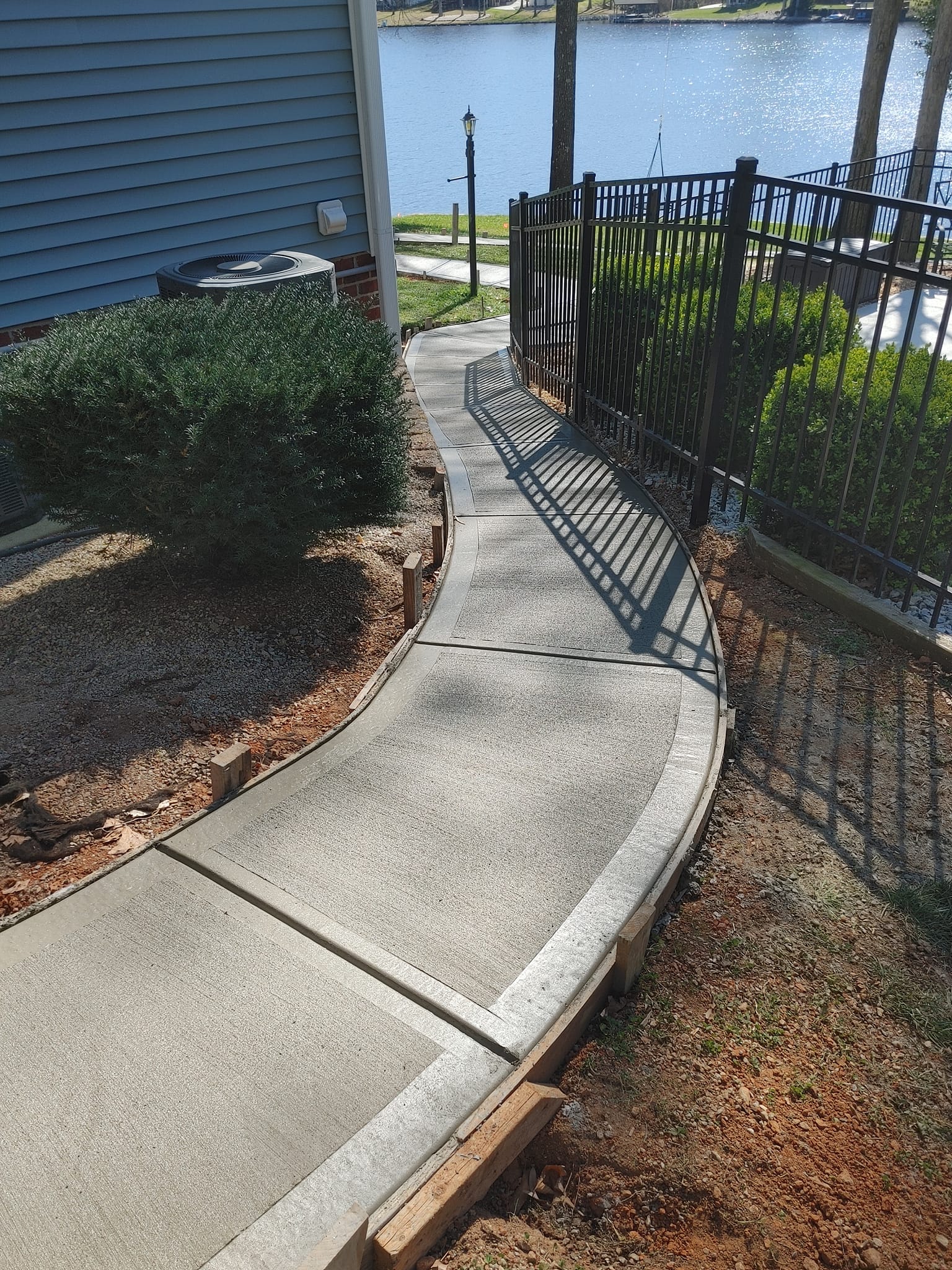
Traditional concrete is the most commonly used type and is known for its durability and longevity. It is typically composed of cement, water, and aggregates like sand and gravel. Traditional concrete is ideal for driveways, sidewalks, and large-scale industrial projects. Its straightforward composition and affordability make it a popular choice for many.
High-strength concrete is designed to withstand significant loads, making it perfect for high-rise buildings and infrastructure projects such as bridges or industrial complexes. This type boasts a compressive strength greater than 6,000 psi, which is significantly more than traditional concrete. By integrating additives that enhance its performance under high pressure, high-strength concrete is less likely to crack, thus ensuring a safer and more reliable structure.
For projects that require quick turnover, fast-setting concrete is an optimal choice. Its unique formula allows it to cure more rapidly than other types, reducing wait times and accelerating project completion. Fast-setting concrete is particularly advantageous in environments where time and weather conditions play critical roles, such as in road repairs or emergency structural fixes.
Decorative concrete, on the other hand, is all about aesthetics. This type allows for a variety of finishes and designs that can mimic the appearance of stone, brick, or even wood. It's perfect for patios, pool decks, and interior flooring where visual impact is as important as functionality. By incorporating colored pigments and intricate stamping, decorative concrete can transform ordinary spaces into stunning works of art.
Self-compacting concrete is another innovative type that can flow and settle into tight, irregular spaces without the need for mechanical vibration. This makes it ideal for complex shapes or areas where traditional concrete placement is challenging. Its superior flowability reduces labor costs and speeds up the construction process, making it an economical option for many builders.
Each of these types of concrete has unique properties and applications, and the decision on which to use largely depends on your project's specific needs. When planning your project, consider the demands of the environment, the aesthetic goals, and the structural requirements to choose the appropriate concrete type. Consulting with experts like Phoenix Concrete Services can ensure you select the best option, providing peace of mind and ensuring the longevity of your construction.
In conclusion, understanding the basics and knowing the different types of concrete can greatly enhance the success of your construction projects. By selecting the appropriate type, you can ensure that your project not only meets but exceeds expectations in terms of durability, efficiency, and visual appeal. Reach out to Phoenix Concrete Services to discuss your concrete needs and discover how we can assist you in realizing your vision.